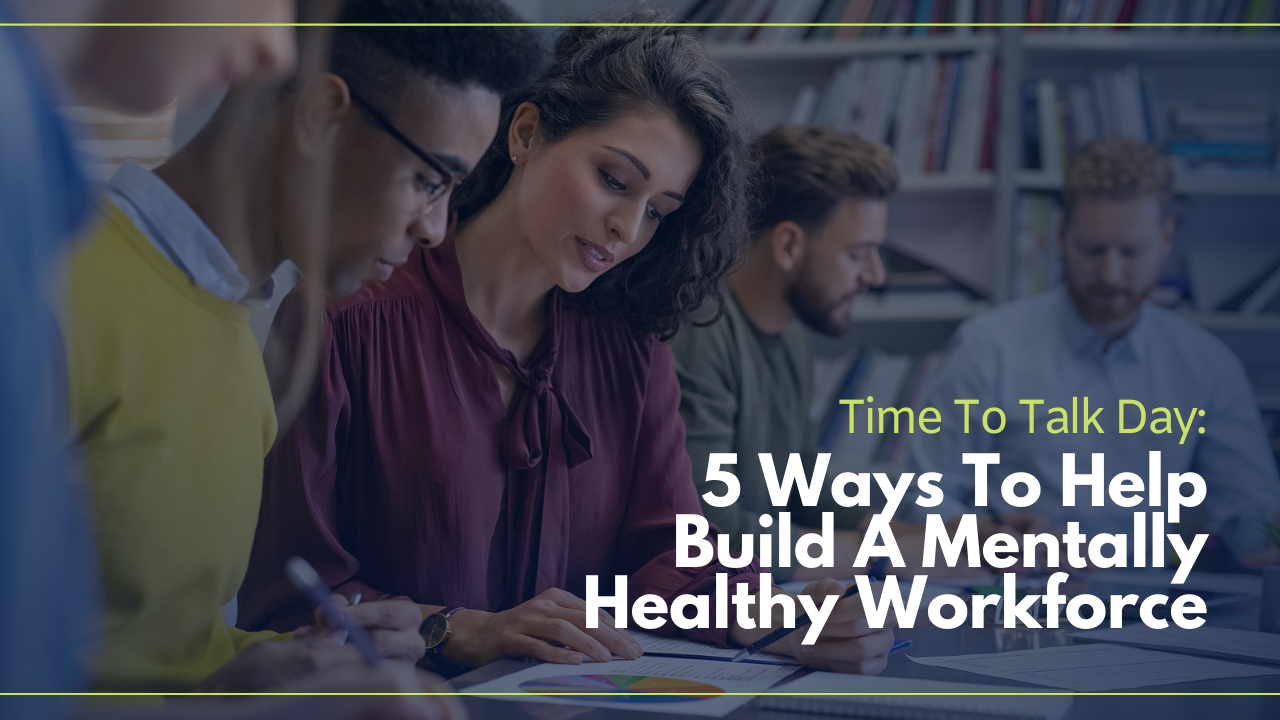
- Time to Talk Day is an initiative to start conversations around mental health.
- Research by Unum found that 86% of employers are changing their approach to employee health and wellbeing due to the Covid-19 pandemic.
- This article looks at five ways employers can work to support their employees’ mental health and overall wellbeing.
This article was written by Natalie Rogers, Chief People Officer at Unum.
Today is Time to Talk Day, an initiative to start conversations about mental health and help end the stigma.


The pandemic has tested both our physical and mental wellbeing in a way we couldn’t have imagined previously. So, as our thoughts turn to building a stronger and better business environment post pandemic, it’s important businesses take steps to build a healthier, more productive workforce.
According to Unum’s Value of Help research, more than four-fifths (86%) of employers are changing their approach to employee health and wellbeing due to the Covid-19 pandemic.

The research, which surveyed 350 UK employers and 1,000 employees, found 95% of employers said that the pandemic has impacted their need to make employees feel more protected.
Here are five tips to help employers improve their employees’ mental health and overall wellbeing:
1. Ask your employees
Don’t try to second-guess what people want. Instead, employers should be carrying out a company-wide survey of potential changes or benefits that people would like to see.
Even by just asking your employees what their current health and wellbeing goals are, you’ll get some insight into what steps or improvements are likely to be effective and or well-received.
You’re unlikely to get everything right first time, so take any opportunity to make improvements by keeping your health and wellbeing initiatives under review.
2. Think flexibly
The CIPD’s 2020 health and wellbeing report found 60% of people said workload was the biggest cause of workplace stress.
Look out for people who may be struggling with heavy workloads or working long hours while juggling home schooling, childcare, eldercare or other demands outside of work.
Find out the reasons behind it and act appropriately. Whether that’s delegating some work to others, adopting a flexible approach to working hours, revising unreasonable deadlines, or removing the expectation of attending unnecessary meetings.
3. Check and use the tools you already have
You may be surprised how many businesses (and their people) aren’t fully aware of exactly what certain benefits offer. For example, is there access to an Employee Assistance Programme offering expert advice on a range of lifestyle issues, such as money, child or elder care or relationships?
Without this knowledge, employees can feel stressed which can affect their overall wellbeing and productivity.
4. Adopt healthy practices
Hopefully, 2021 will see many of us being able to return to the workplace. And whether you have a workplace canteen or restaurant, vending machines or just a communal kitchen area, providing healthy options at work, even if it’s just access to fruit or salads are likely to be appreciated.
While some businesses may offer a gym subsidy as an employee benefit, others won’t have the budget. The good news is that exercise needn’t cost a penny or impact on the working day.

Encourage people to take the breaks they’re allocated and get out and about, as taking time for some sort of daily exercise is important for physical and mental health.
5. Commit
While this may all sound like a lot of work, committing to employee wellbeing has clear benefits for both you and your employees.
“Fostering employee wellbeing is good for people and the organisation,” says the CIPD.
“Good health and wellbeing can be a core enabler of employee engagement and organisational performance, while promoting wellbeing can help prevent stress, and create positive working environments where individuals and organisations can thrive.”Natalie Rogers is the Chief People Officer at Unum, one of the UK’s leading employee benefits providers. Unum creates the benefits and wellbeing support that matters most to employers, employees, and their families.