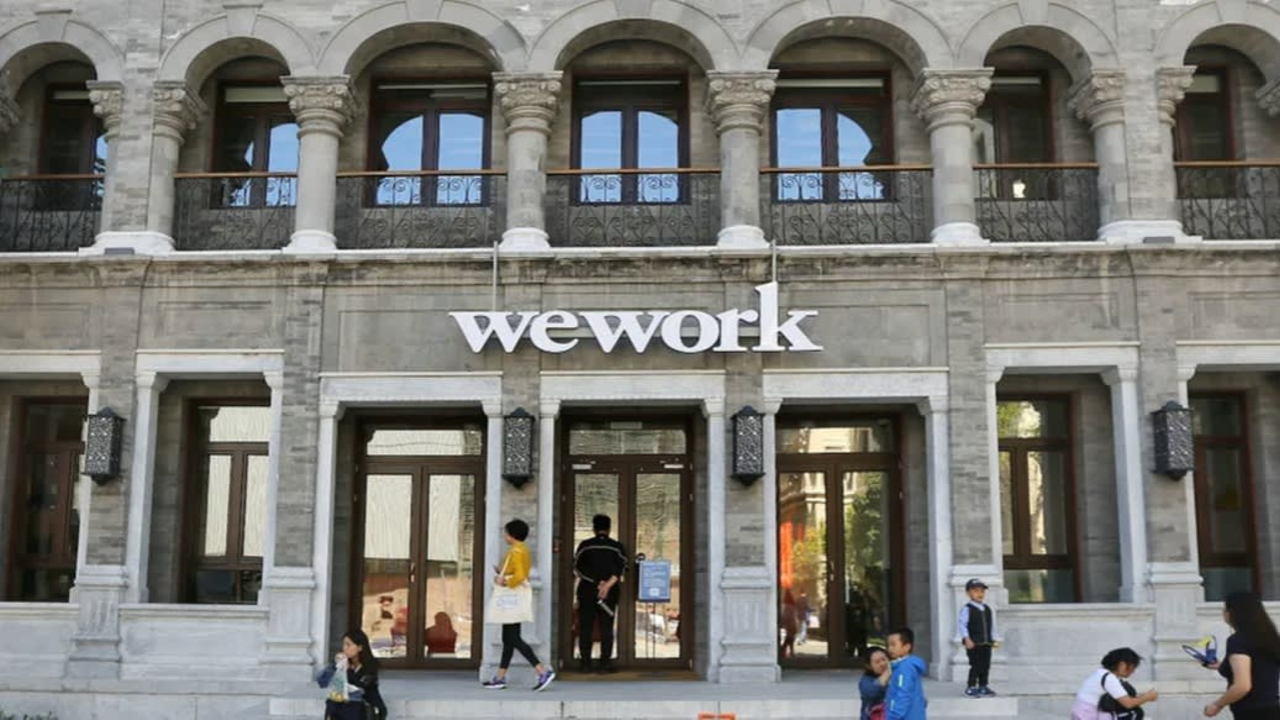
Following its postponed initial public offering, WeWork has put a hold on its expansion plans in China. While new locations will open into next year, plans to expand for 2021 have been halted.
This move is just one of many snags WeWork has hit since the firm’s financials and corporate governance became the subject of much scrutiny.

[bctt tweet=”Through its joint venture ChinaCo, WeWork had opened offices across 125 buildings in 12 different cities since its 2017 debut in the country. In total, China accounts for 15% of WeWork’s locations.” username=”allwork_space”]
Due to the country’s economy starting to slow and coworking competition intensifying, WeWork’s rapid expansion model is starting to sting.

The coworking firm’s average occupancy rate must be at least 65% to break even, but in many of its newer buildings, it only has 30% to 50% filled up.
Despite WeWork’s name recognition and premium product, cheaper options may become more appealing to customers during a slowing economy. This has led some coworking startups to take note and avoid bleeding through their cash as WeWork has done.
“For the first two years, we were similar to WeWork, in that we rent the space from landlords and made them into coworking space for our customers,” said Liu Chengcheng, founder and chairman of Kr Space. “But during the fourth quarter of last year, we thought that the business model was too demanding on cash flow and funding, as well as having too much financial risk. Especially now that we’ve seen what happened to WeWork, we think we made the adjustment just in time.”