



- The boom in remote work is leading many small towns around the world to incentivize people to move there.
- In Europe, a number of locations facing a diminishing population are offering financial rewards to remote workers.
- For location-independent workers looking to settle, these 4 European locations could be just what you’re looking for.
If you’re a remote worker or digital nomad, you might be pleasantly surprised that many cities, towns and villages around the world are actually prepared to offer significant financial incentives to have you live there. That’s in addition to many countries offering digital nomad visas which allow foreigners to work and travel in different countries.
These financial incentives include grants for relocating, tax subsidies, and even land in some instances. Our recent article about US towns and cities that pay you to relocate there highlighted several enticing opportunities for US citizens.

There are also similar opportunities for remote workers and digital nomads in Europe, which we explore in more detail below.
One of the main reasons that these small towns and villages are offering financial and other incentives to get people to move to them, is in an effort to help repopulate these places (that are sometimes called ghost towns as there are so few people there) and grow the local economies.

The reason the villages have become so uninhabited is because over time many people left for jobs in the cities. But now remote work offers a way for people to live in these places while being able to earn an income and take advantage of more rural locations and often less expensive costs of living.
Since the start of the pandemic in 2020, there has been a major shift to remote work, which means that many more people are looking for opportunities to live in beautiful places, and enjoy more space and work freedom — while also saving on costs associated with more expensive urban lifestyles.
We focus on four cities below that offer a range of different benefits to attract digital nomads and remote workers. These include the town of Ponga in Spain, the village of Albinen in Switzerland, and the towns of Candela and Sambuca di Sicilia in Italy.
European Cities Offering Incentives to Digital Nomads to Relocate
The following European cities are offering incentives to digital nomads and remote workers who relocate to live in them, as a way to encourage the repopulation of these places and to help rebuild their local economies.

Ponga, Asturias, Spain
About Ponga
Over the years, many people from rural towns and villages across Spain have moved to larger cities in search of work. This has left many rural towns and villages with dwindling populations and shrinking local economies.
In an effort to repopulate these small towns and villages once again, a National Network of Welcoming Villages for Remote Workers (Red Nacional de Pueblos Acogedores para el Teletrabajo), which has 30 town and village members, aims to attract digital nomads and remote workers. They do this by making it easy to find out about the various towns and villages, the cost of living there, the coworking hubs on offer, rates of connectivity, what facilities exist, and advice on where to stay.
Spain is also expected to introduce a digital nomad visa soon, that may allow foreign digital nomads to live and work there for up to a year, while also providing some tax incentives for startups and entrepreneurs.
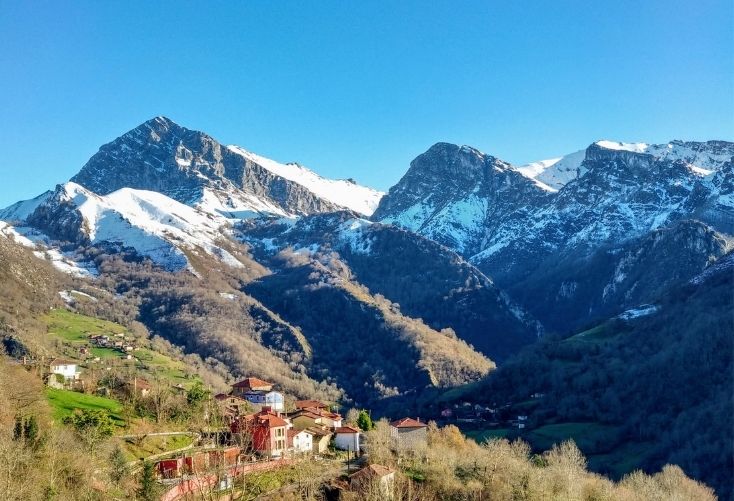
The town of Ponga in Austrias in Northern Spain is offering financial incentives to attract people to settle permanently. The cost of living is also quite reasonable, which is an added advantage of relocating there. And from a lifestyle perspective, it’s situated within easy access to the coast and several large national and regional parks.
About the incentives – benefits
According to In Spain News, for those approved by the scheme, the town is offering €3000 to couples who relocate permanently to Ponga – and in addition will pay another €3000 for each child born there.
Eligibility
You’ll need to be a Spanish citizen – or you need to have a valid work permit and residence permit, to take part in this scheme.
Albinen, Switzerland
About Albinen
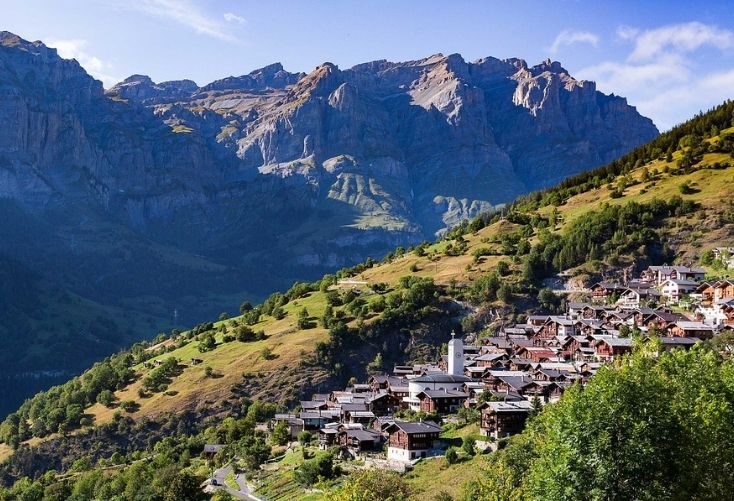
Albinen is a small village in Switzerland, surrounded by mountains and nearby to the thermal springs of Leukerbad and the Rhone valley.
Albinen recently voted (in 2017) to allow a settlement grant to people who are keen to relocate there. This is in an effort to stimulate the economy and ensure a future for the town which has a tiny population of around just 240 people.
This tranquil location is covered in snow during winters, and close to skiing runs suited both to beginners and the more advanced. In summertime, Albinen offers a range of great hiking trails, alpine vistas, mountaineering biking routes and proximity to many popular holiday destinations.
Benefits
According to the Independent, the grant you will receive for relocating to Albinen is around CHF25,000 (approximately €23,000) per adult and CHF10,000 (approximately €9,230) per child – as long as you are first approved by the scheme.
Eligibility
You need to be under the age of 45 years to apply for the scheme and you also need to commit to living in Albinen for at least 10 years – buying or building a home of at least CHF200,000. You also need to be a Swiss citizen or hold a valid Swiss C permit to work there. Your home needs to be your primary residence – it can’t just be an occasional holiday home.
An important proviso is that Swiss authorities only expect a handful of families to participate in this scheme, and the requirements are quite strict. That means only a few applicants will succeed in being able to live here.
Candela, Italy
About Candela
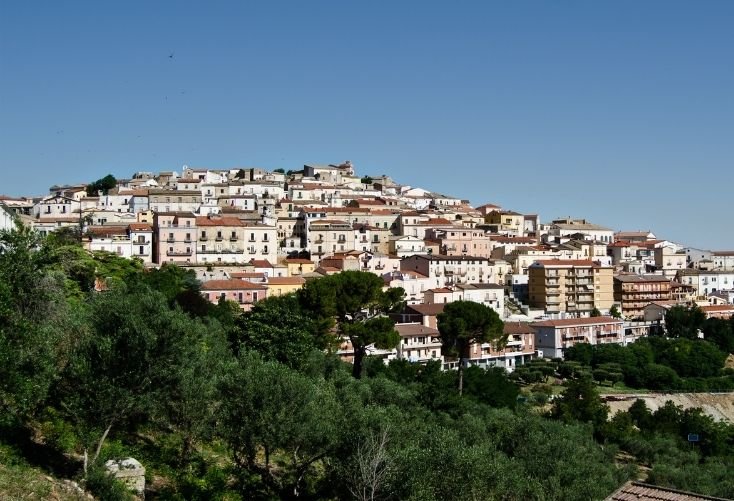
Candela is a small town in Puglia that once had around 8000 residents and was called the “Little Naples” of Italy. But the town’s population has shrunk significantly to just 2700 residents.
The Italian government has plans to attract digital nomads to various towns across the country that have become quite uninhabited or “ghost towns” and to stimulate local economies.
The installation of high-speed broadband internet access is one of the initiatives the government is implementing to help attract digital nomads and remote workers to these places.
Italy has many small hamlets and there’s been an uptick in interest to live in these areas since the start of the Covid-19 pandemic, as many employees are able to work remotely.
The small town of Candela in Puglia, Italy, is taking it one step further. The town is offering financial incentives to people to relocate there including grants and tax credits.
About the incentives – benefits
The incentive scheme pays eligible candidates around €2,000 for a family of four or five people; €1,200 for couples who relocate there; and €800 for a single person. The tax credit incentives may include credits for waste charges, nurseries and other municipal bills.
Rental properties are quite affordable at around €400 a month for a 4-bedroomed home.
Eligibility
You need to relocate to Candela and it needs to be your permanent home – either renting a property there or buying a home there. You also need to have a salary of at least €7,500 a year. You also need to be an Italian citizen to love and work in Italy – or you may do so with the requisite visa or residency permit.
Sambuca di Sicilia, Italy
About Sambuca di Sicilia
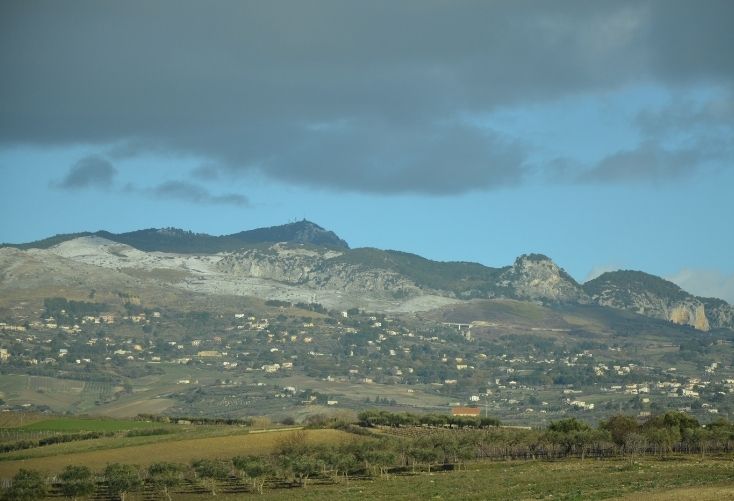
Sambuca di Sicilia, in the province of Agrigento, is about an hour away from Palermo, the capital of Sicily, and has a population of about 6000 people. This beautiful town has many cultural sites and churches and is a short drive from the stunning south coast beaches.
Benefits
Several towns and villages in Italy have developed their own schemes to attract the repopulation of their areas. Zungoli and Ollolai, for example, have offered bargain property sales with the proviso that the buyers renovate the properties.
The town of Sambuca di Sicilia subscribes to the 1 Euro Houses Project, offering a scheme that aims to help revitalise and repopulate the town. Although this scheme is not specifically targeting digital nomads and remote workers, relocating to a small rural town is usually only possible for people who are able to earn a living remotely as there aren’t enough local jobs to sustain an influx of new settlers.
The town is offering some vacant homes for incredibly low prices – just €1. The properties will be sold by auction, with the person who has the best offer being eligible to purchase the property. People buying these amazing house bargains need to commit to renovating the homes within 3 years – spending at least €15,000 on them and paying a refundable €5000 security deposit to ensure compliance. The town’s website has more information.
After the first scheme (selling houses for 1 Euro) was so successful, the municipality is offering a new 2 Euro scheme, which has the same requirements: only the houses are one Euro more!
Eligibility
You’ll need to be an Italian citizen to be eligible to live in Sambuca di Sicilia, but there you may also be able to use a visa or temporary residency to participate in the 1 Euro Houses project.
Other Italian villages, like Santa Fiora and Rieti, are offering rent vouchers for remote workers, up to 50%.
So where will you relocate to?
Now that you’re aware of the many attractive offers to relocate to towns and cities across Europe, you have the challenging task of choosing which one you’d like to move to. Many factors will influence your decision – from the total population size, the natural scenery, the national politics and economy, to how big the financial incentives are.