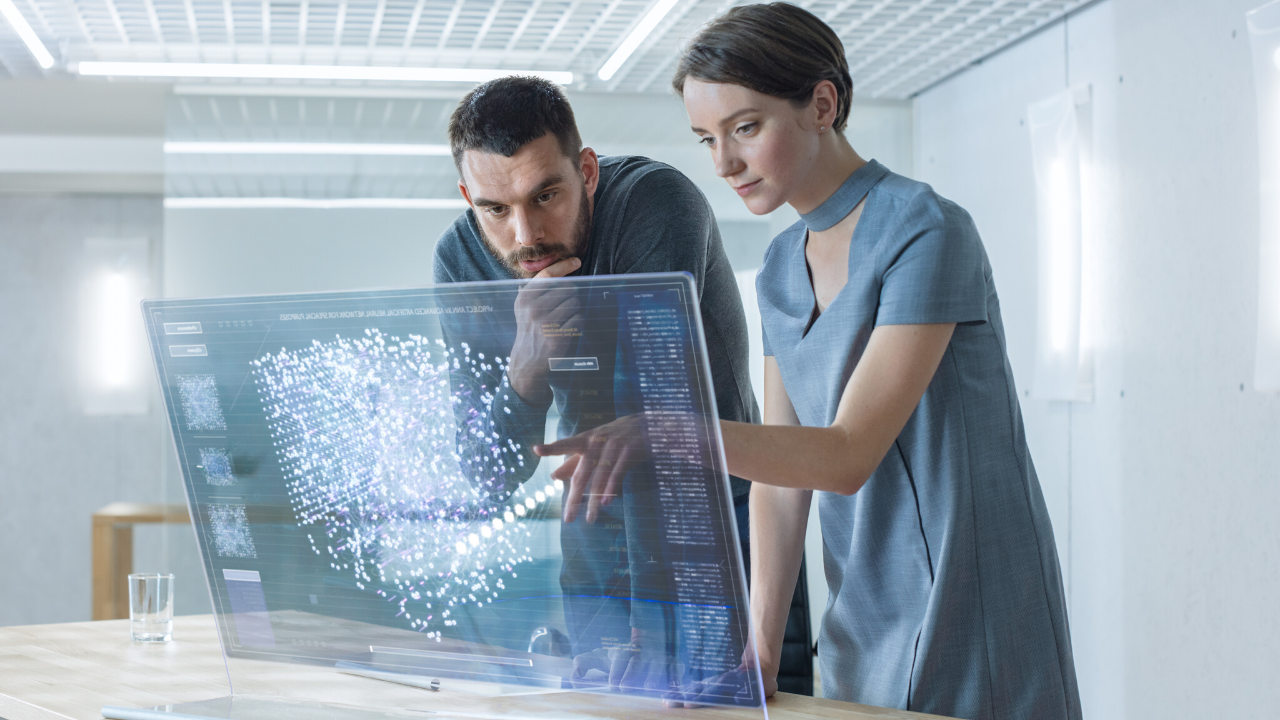
The future of the workplace has introduced modern technologies that have transformed the way businesses communicate, collaborate and engage their workforce. So what can we expect the future of work in 2030 to look like?
“The speed of new technology is so rapid that we often don’t realise a lot of the tech we already use is ‘automation’ in the workplace,” said Sanna Ojanperä, an Alan Turing doctoral student at Oxford University’s Internet Institute.

Automation is one of the key components of the future of the workplace and according to Ojanperä, we already heavily rely on computational analysis, machinery, robotics and artificial intelligence for everyday work.
Although machines have indeed replaced some work tasks, people have been able to upskill and find new positions that work alongside with automation.

Some say that these new jobs are completely unnecessary, such as anthropologist David Graeber, who argues that those with productive jobs, such as nurses and teachers, are overworked while “box-tickers and taskmasters” have grown exponentially.
Even the way we meet at work has changed as being physically present in the office is being less common. That is being particularly put to the test in the wake of the coronavirus as people are being forced to work from home and communicate through video conferencing platforms such as Zoom.
While automation and other technologies are clearly taking the reins in how we work, cognitive skills and emotions are still vital in creating a workplace that has a human touch and is efficient.